基準線版型設計 創辦人 / 實踐大學服裝設計系 講師
Founder of Ching Pattern Design / Lecturer at the School of Fashion Design, Shih Chien University
沈靖娟 Shen, Ching-Chuan
YEARBOOK 2025

Article of famous designers
基準線版型設計 創辦人 / 實踐大學服裝設計系 講師
Founder of Ching Pattern Design / Lecturer at the School of Fashion Design, Shih Chien University
A
pattern is to fashion design what a mold is to industrial design. A good pattern
determines the overall quality of the project—from design drawing to finished
product. It translates the design’s creativity into an actual finished design. In
this essay, I will share my journey of exploration and growth in the field of fashion
pattern design.
Starting Out in Fashion
Design
My fashion design journey began when I was 15 years old. At the time, I was struggling in school and had a bad home situation. I decided to enroll in continuing education courses through the Fashion Department at Zhong Li Home Economics and Commercial Senior High School, and I quickly discovered my passion for fashion design and technology. While I was previously content with grades that were barely high enough to pass my tests, when I sat down at the sewing machine for my first assignment and received a score of 90 points, I realized I had found a place where I could obtain a true sense of achievement. With the encouragement of my formative teacher, I began to participate in various competitions. Then, in 2008, I was selected to participate in the WorldSkills clothing creation competition as part of the Taiwanese delegation, and I won the bronze medal. This experience made me realize the depth and challenge of fashion design, and I resolved to improve my designs and techniques.
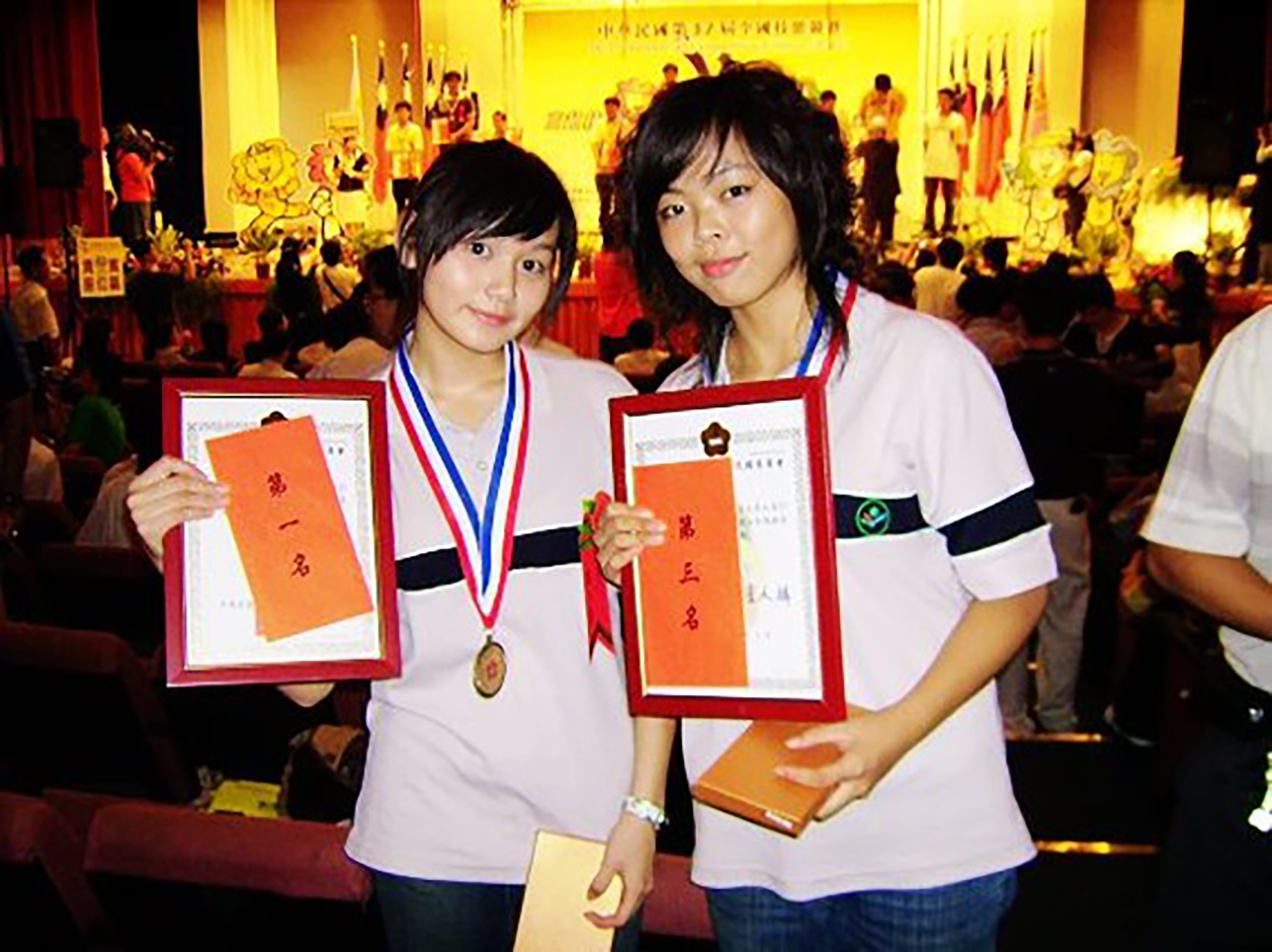
Image: 2007 Domestic Gold medal (first award obtained)
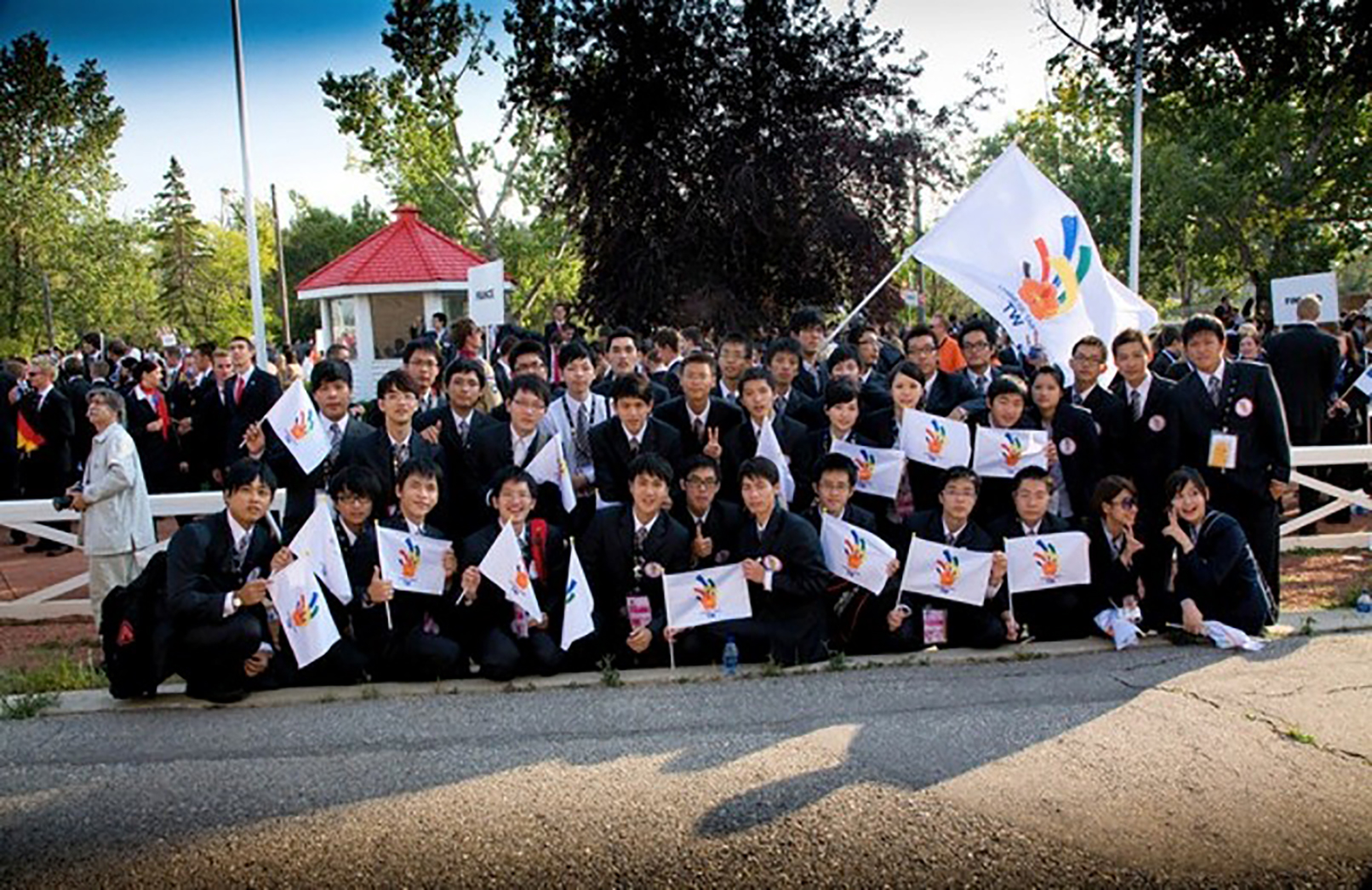
Image: 2008 WorldSkills – Taiwanese delegation
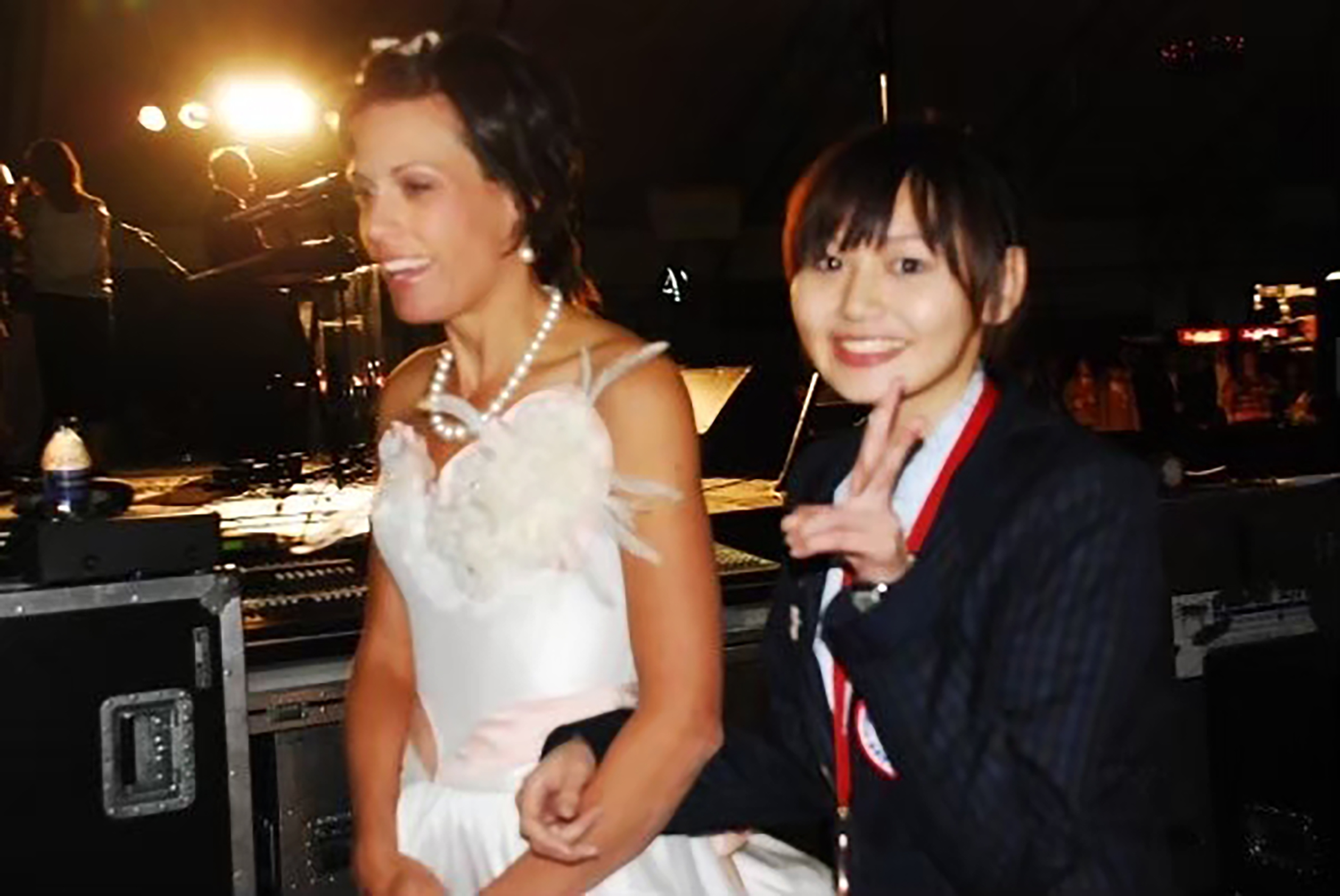
Image: 2008 WorldSkills – Winning runway designers appear for a curtain call
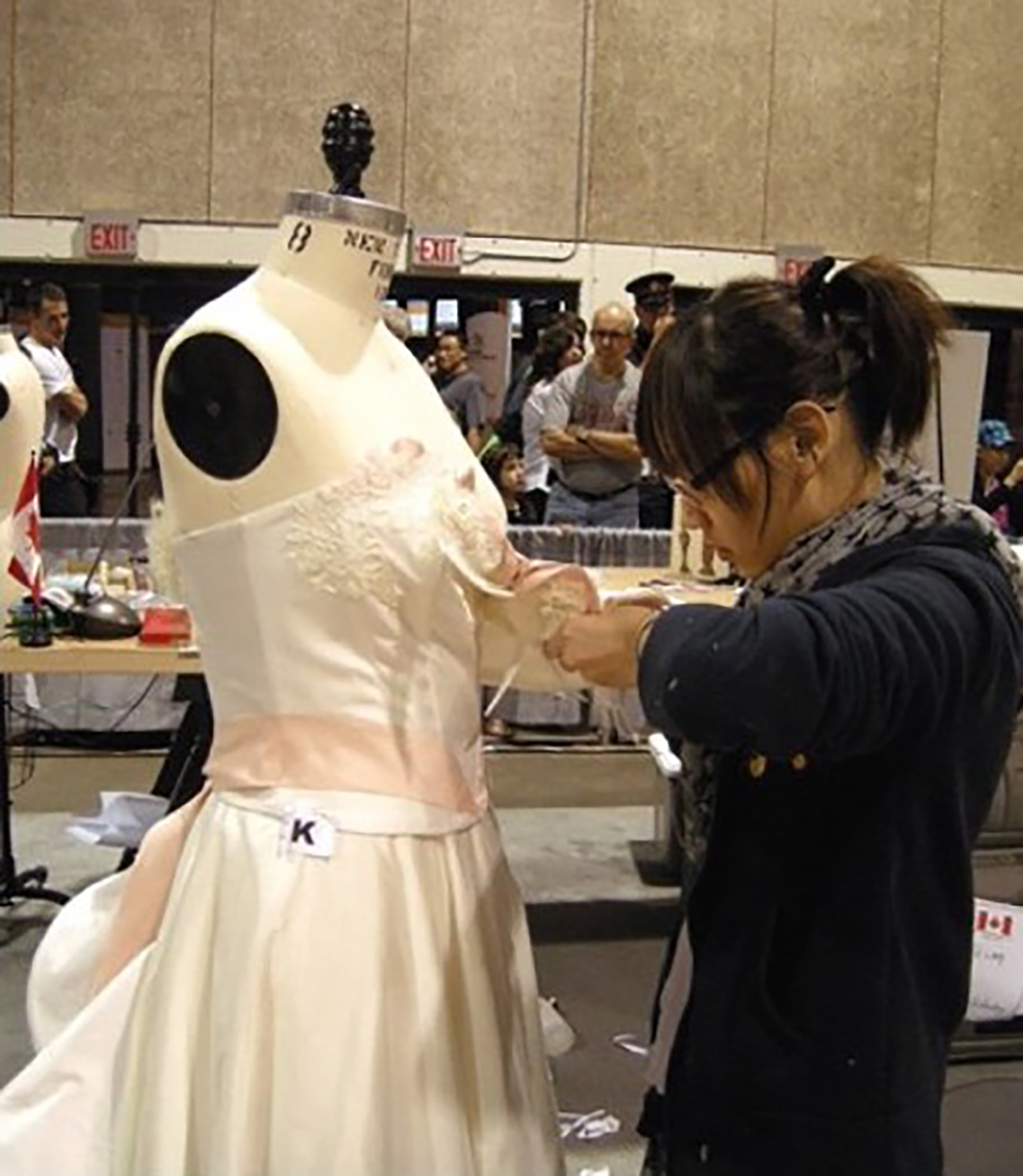
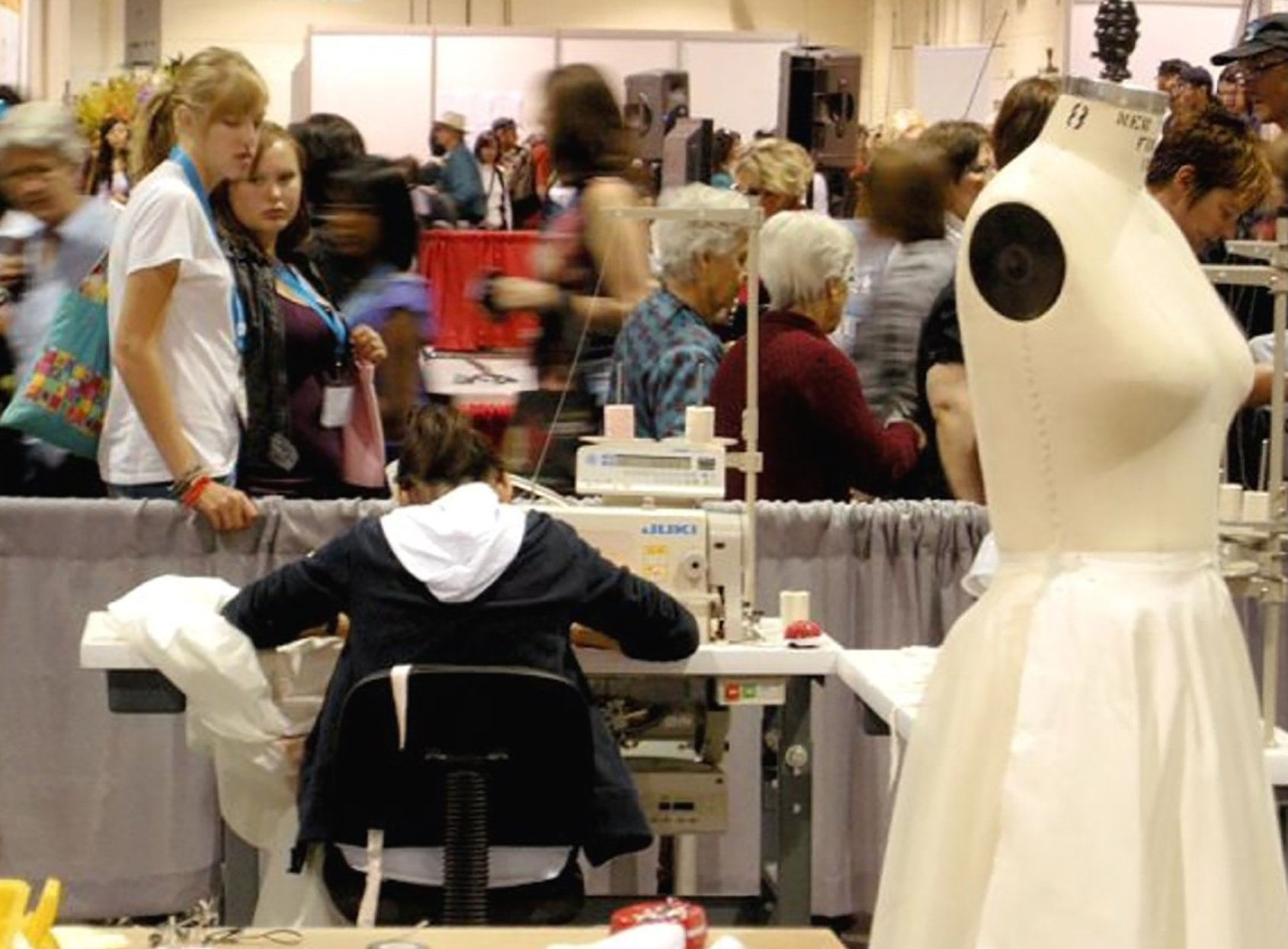
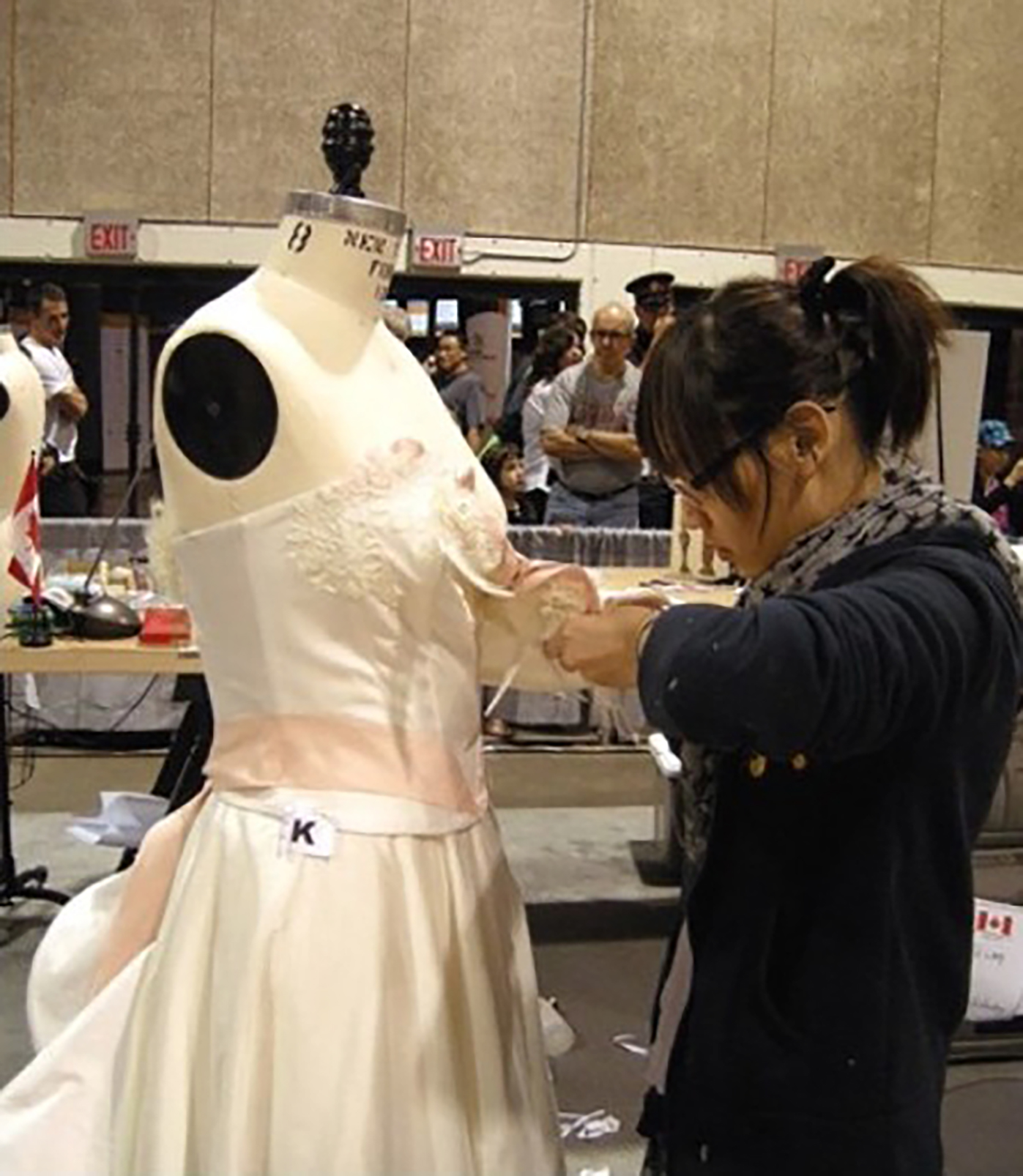
Image: 2008 WorldSkills – competition process
Developing Pattern-making
Techniques and Aesthetics
A
separate incident after I became a national champion was what really made me understand
that my skills were insufficient. At 18 years old, I began training within the
industry. At that time, the brand’s design chief gave me a design drawing and expected
me to produce a pattern all by myself, without any mentoring. Even after a
week, I still had no idea where to start. His words shook me, “Aren’t you in the
Fashion Department? You can’t even do this?” It made me extremely frustrated
but also kindled my motivation to become a patternmaker who everyone would
admire. I began reflecting on my deficiencies and investing a lot of time in
practicing patternmaking and draping techniques. I looked for design drawings
to imitate for practice, and frequently sought advice from various masters,
gradually growing from my setbacks.
Throughout
the learning process, I constantly experimented and made corrections based on
my mistakes. I asked questions of my more experienced peers, and after work, I
brought home any questions I had encountered during the day to research and
answer. I unceasingly went back and forth with revisions. I remember one time I
was practicing with a single sleeve; I spent an entire week repeatedly
dismantling and reassembling the sleeve until I firmly grasped the skill. These
experiences taught me the importance of patience and willpower; and now the techniques
I practiced are deeply branded into my muscle memory.
Expanding Design
Perspective
The
biggest lesson I learned from participating in international competitions was
expanding my design perspective. During competitions, I encountered innovative
design concepts and technical skills from all over the world. This not only
sparked my creativity and inspiration; it also helped me understand how
different cultural backgrounds influence design. At that time, smart phones had
not become commonplace, and to a student who had never even ridden on an
airplane, this massively broadened my design perspective. After the
competition, I also befriended and engaged in exchange with delegates from
different countries.
International
competitions were an opportunity to bring glory to our country, but more than
that, they provided a global platform where we could observe and learn from the
techniques of other designers at the event. Different cultural backgrounds bred
different design philosophies. This diversity enriched my perspective, and let
me blend more innovative elements into my works.
Startup Transformation:
From Traditional Patternmaking to 3D Digitalization
After
returning to Taiwan and completing my studies, I accumulated many years of
experience working in the industry and gradually grasped design aesthetics and
patternmaking skills. Later, I founded Ching Pattern Design: the creative
assistant that best understands designers, Ching Pattern uses technology to
simulate designs based on your ideas. The startup’s original intention stemmed
from my personal experience in the fashion industry—from student to delegate,
designer, pattern maker, and lecturer—a history spanning almost 20 years. I
deeply understood the dilemma of clothing technician shortages, not to mention
the aging of skilled technicians. Everyone wants to be a designer, but few
people are capable of implementing their designs. At the time, I already had a
lot of designer friends asking me to assist them with patternmaking, and one by
one, the clients accumulated. Finally, I established my company. The main reason
for this was that ready-to-wear garment production workflow is extremely
complex, and the training process for patternmakers is time consuming, making
it difficult for young people to enter the field.
After being introduced to digital patternmaking, my objective was to fully integrate 3D digitization into the clothing industry workflow to address the problems encountered by the traditional garment manufacturing industry. In the past, when I made paper patterns, I spent a lot of time cutting out the pieces and pasting them together; but now, through 3D patternmaking technology, I can quickly visualize changes. My company creates digital designs for brands and company uniforms. In the past we needed to repeatedly call our clients to confirm colors, fabrics, and design lines; now we can use digital methods to quickly simulate and implement production. Our service targets include designer brands such as CherngDesign and MANICHIACHIA. Many of these brands appear at Taipei Fashion Week. We’ve also signed collaboration agreements with famous YouTubers to launch clothing lines.
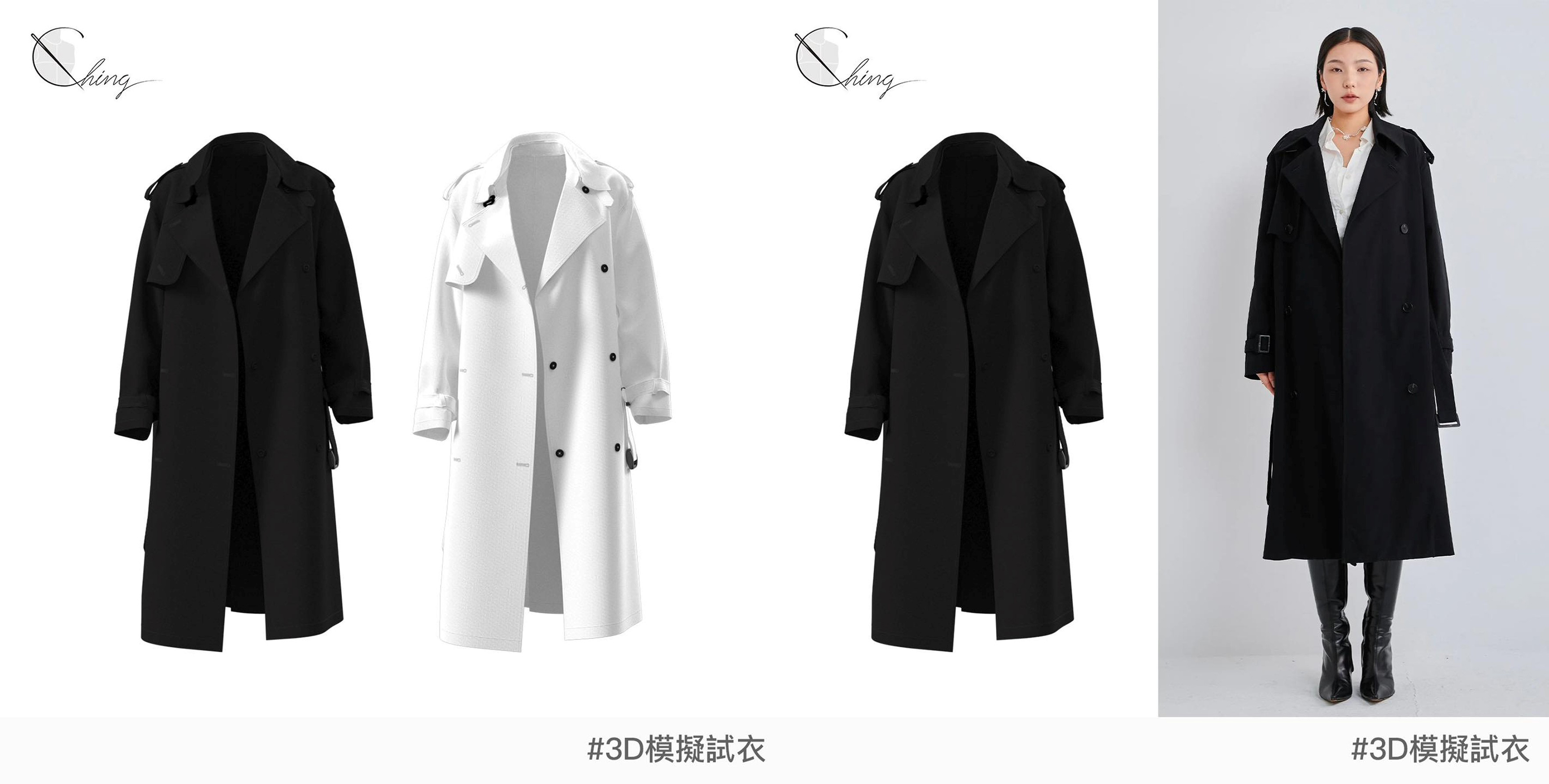
Image: 3D pattern client case – brand MANICHIACHIA
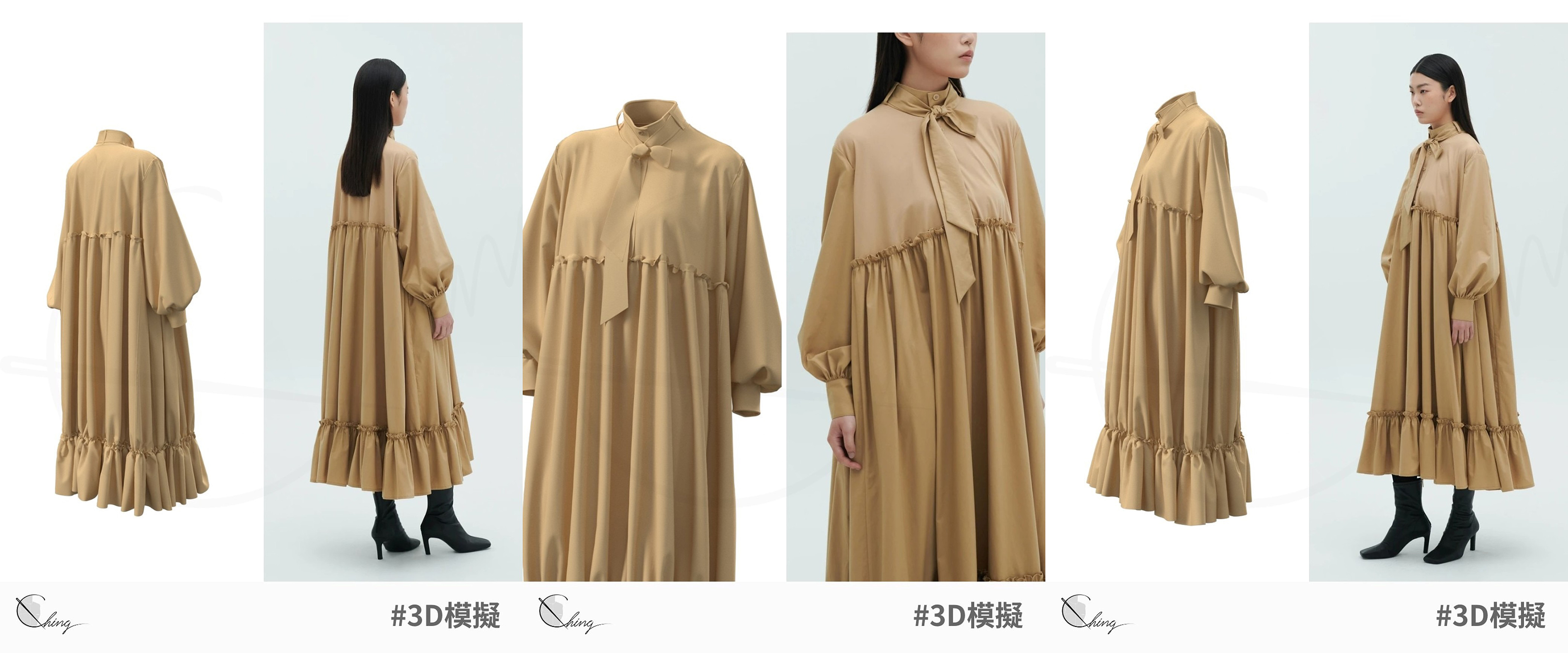
Image: 3D pattern client case – brand Cherng Design
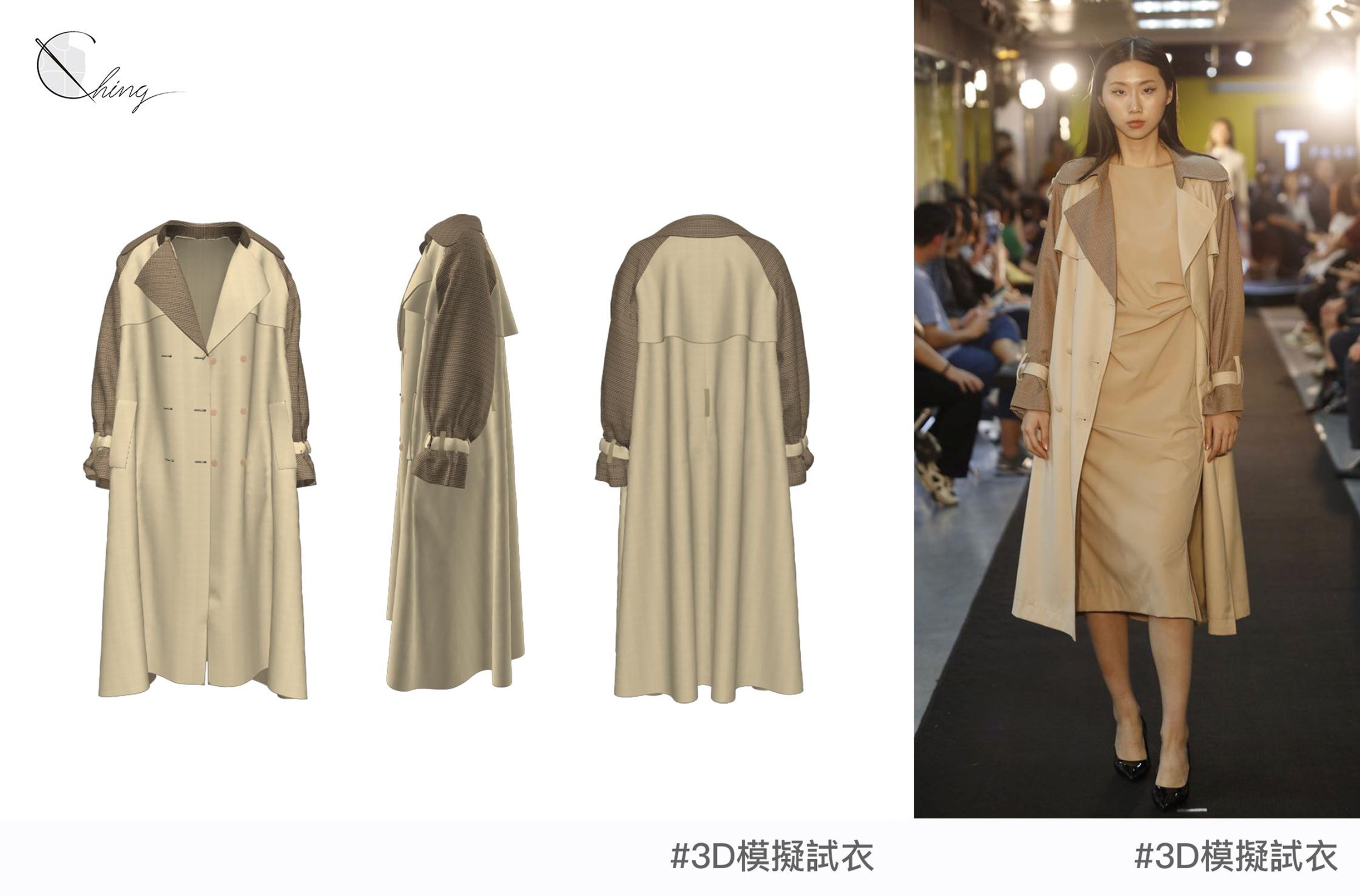
Image: From 3D pattern design to real-life fashion show
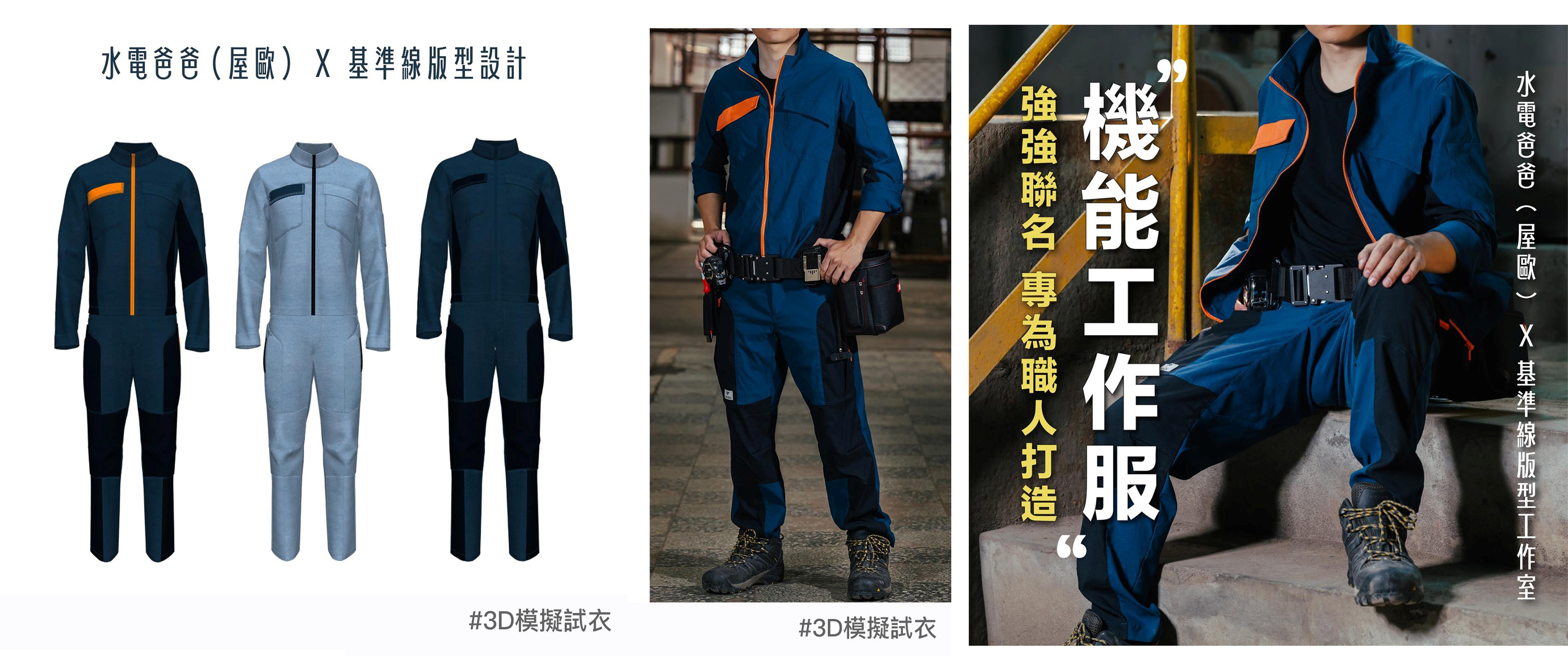
Image: Collaborative design and clothing series with a famous YouTuber
3D
technology applications not only improve design patternmaking efficiency, they
also improve design accuracy. Before, we needed to spend a lot of time
traveling back and forth to confirm particulars. Now, we can quickly complete
this process through digitalization tools. This technological advancement enables
us to flexibly respond to market demands and create more competitive products.
Additionally, it lets young people more rapidly understand and get started in
patternmaking and study the problems they will encounter.
Promoting the
Transformation of Clothing Techniques
In
addition to the startup, I also started to focus on education and promotion. I
believe that technological advancement shouldn’t end at personal achievement—it
should be studied and used by more people. Therefore, to break the
technological barrier and transform clothing patternmaker design from a niche specialty
into a skill that anyone could explore and study, I set up the What is Fashion
YouTube channel to share my professional expertise and promote a logic-based
study of fashion design to the public. This open education model helps even
more people understand the technical logic behind fashion patternmaking and
promotes 3D digital transformation.
Additionally, I introduced some 3D patternmaking technology into my college clothing composition classes to help students grasp the newest digital tools and elevate their manufacturing ability. In previous clothing technology education, simply explaining a single sleeve required pages upon pages of formulas. Now, thanks to 3D functions, we can use transparency and line variation comparisons to help students quickly understand the internal logic. Digital technology can be presented on a large screen, avoiding previous scenarios of students being unable to see during real paper pattern presentations.
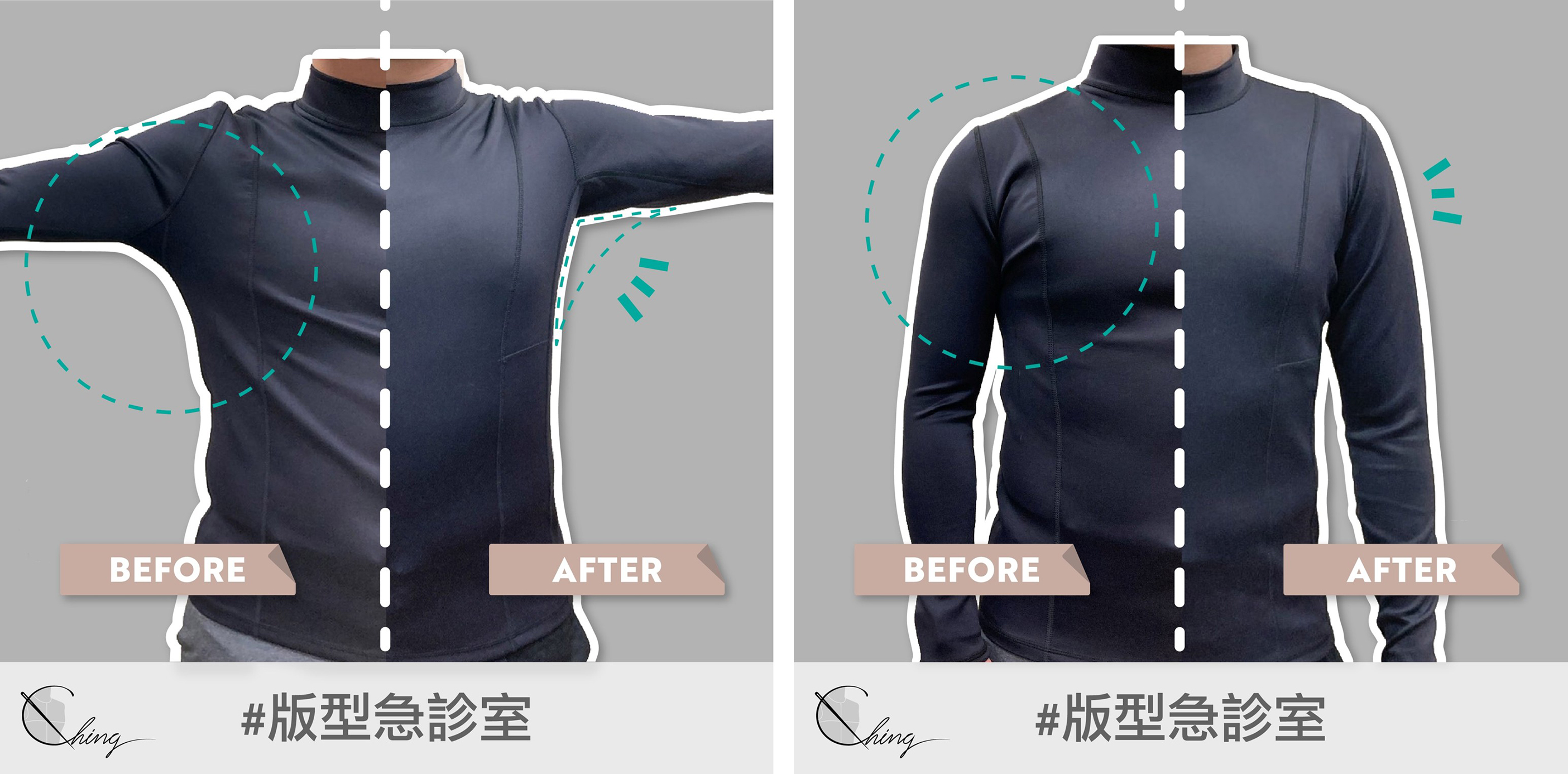
Image: Style emergency client case – brand Back to Design
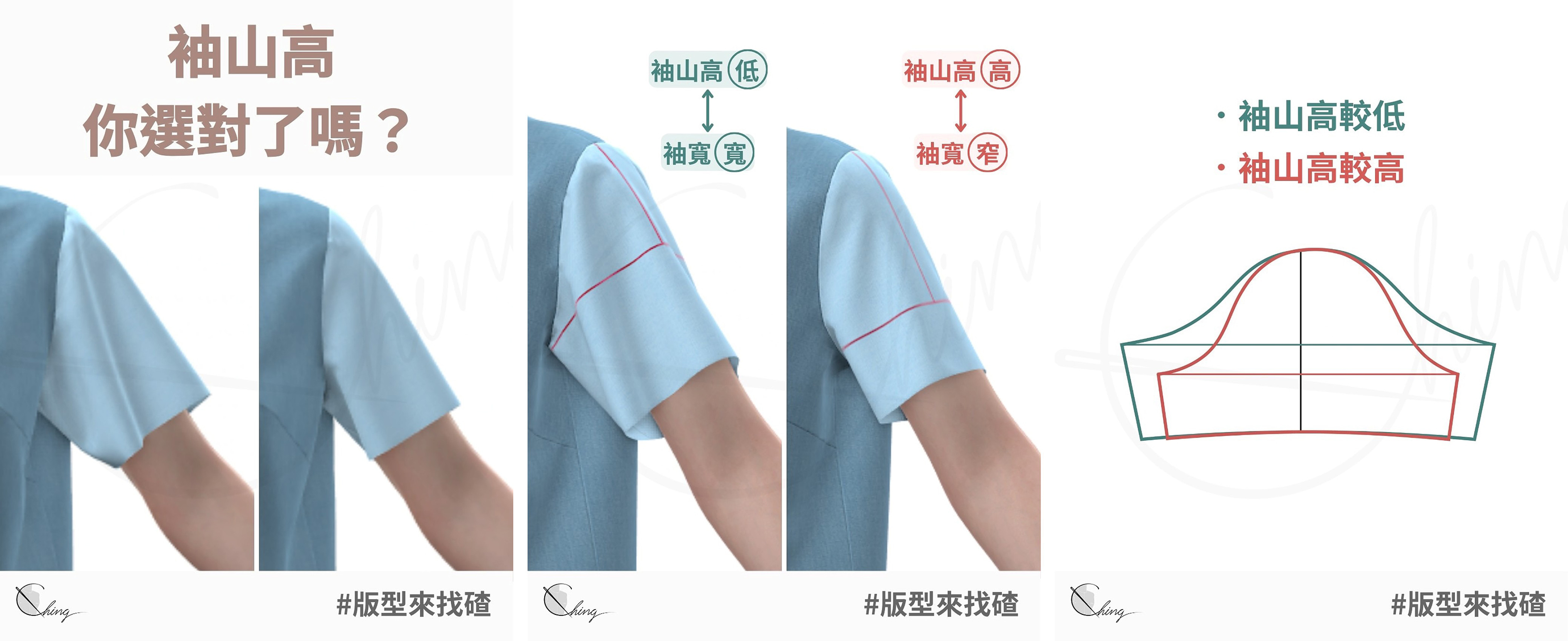
Image: Linking 3D patternmaking with clothing structure education
Reflection and Future Expectations:
Balancing Techniques and Innovation
Looking
back on this journey—from the setbacks when I was younger to my current capacity
to effortlessly complete any design drawing—growth comes from continuous study
and experimentation. At the same time, I am aware that the spread of digital
technology is not only about replacing tools, rather a transformation of design
philosophy.
I
am convinced that the combination of technological advancement and innovation
is the key to future design development. Through ceaseless exploration and
experimentation, I hope we can continue to promote patternmaking digital
development, lead the industry in entering a new era, and train more 3D
patternmaking designers to jointly promote the industry’s advancement. I also
hope we can encourage more young designers to participate in international-level
competitions so that they can learn and grow, expand their horizons, and find
their direction in the globalized marketplace.