L/g/s工作室負責人&平面設計師
Owner & Graphic Designer of Liaowei-graphic Studio
廖韡 Wei Liao
YEARBOOK 2025

Article of famous designers

L/g/s工作室負責人&平面設計師
Owner & Graphic Designer of Liaowei-graphic Studio
Design
competitions are an important milestone for every student during their course
of study. Competitions not only test students’ understanding of design; they serve
as a comprehensive display of the individual’s creative and conceptual abilities.
The scope of evaluation in modern design awards extends beyond craftsmanship
and aestheticism and places more emphasis on “planning”. The design process is the amalgamation of numerous
plans, from topic selection to actual creation of the finished work. Thus, the
evaluation cannot rely purely on exquisite visual expression but must also
expore how the artist methodically advanced their plans, accurately interpreted
the topic, and clearly conveyed their concepts to a target audience.
This article is
based on my experiences both as a student competitor, and more recently, as an
industry judge. It explores the crucial stages of a project, from topic
selection, establishing a target audience, and design trade-offs to practicing
cooperation. I share how to achieve balance among these aspects to create works
that possess both depth and quality.
1. Planning: From topic selection to interpretation
Topic selection is
the first step in the creative process. The
decisions at this stage affect the project’s subsequent direction and outcomes.
The topic cannot simply reflect the creator’s own viewpoints; the creator must
also consider whether the topic can resonate with spectators or users. Over the
past few years, many project topics have become fashionable, including environmental
protection, culture, religion, and small farms. Other social issues have also
gradually become hot topics. Although these topics have attractive elements, they
are also highly homogenous. At the beginning of the creation process, all
creators must consider the question of how to find a new and original topic
with the potential for penetrating introspection.
Starting with
topic selection, every step of the planning process requires a clear, precise
design philosophy to transmit ideas to the audience in the ideal manner. This allows
the work to go beyond aesthetic exploration and express profound meaning.
2. TA: Defining a clear target audience
Another important
aspect of the design process is defining the target audience. Every design needs
to clearly answer the question of “Who is this for?”; otherwise, regardless of
how complete or detailed the vision, it may be lost. During the judging
process, we repeatedly discuss whether the target audience is clearly defined,
and whether the audience’s needs are reflected in the design.
With some works,
although the synthesized form is extremely well realized, because the plan
itself lacks clear objectives, or the direction is too vague, it is ultimately eliminated
by the judging panel. Even if the design appears very attractive, if its core fails
to genuinely touch the audience, the work loses the majority of its
significance. To put it another way, if the creator had more precisely oriented
the work toward their target audience and adjusted the relevance, the results would
be completely different.
3. Trade-off: Artistic balance within the design
In the case of a
completed project, the time spent creating the work can extend for several
weeks or longer. Designers have ample time to explore or develop various
creative ideas. However, it is precisely because of this long-term investment
that the work can sometimes become overextended and jumbled. By overloading a
design with unnecessary elements, the work can actually lose its focal point
and become excessively complex.
Learning what to
keep and what to omit is an important concept in the creative process. Design
is not simply about “more” or “quantity”; it also needs a perspective of what’s
“appropriate”. An outstanding design does not necessarily need numerous elements
or components; rather, it just needs to present its topic using the most
suitable vehicle. Excessively divergent items can muddle the work’s topic or
even weaken its overall impact. Creators should try to eliminate unnecessary
elements and spotlight the central focal point. Through subtractive design, it
is possible to emphasize the work’s persuasiveness and aesthetics.
4. Integration: Teamwork and collaboration
When creating
works as part of a team, it becomes necessary to consider how to control the
quality of every team member’s work. Team members with different backgrounds,
skill levels, and ideas can bounce off each other to spark fireworks of
innovation, but such groups frequently develop problems of uneven work
allocation or unclear project direction. How can the team achieve the effective
management and coordination needed to integrate work details and ensure that each
link in the chain can achieve the same stylistic standard?
Design teams can
establish a design coordinator or art director whose role is to clearly
understand each member’s strengths and weaknesses. When a certain team member’s performance does not meet expectations, the design coordinator
must promptly make adjustments to ensure the project maintains consistent
standards throughout the development period. This sort of integrated effort not
only elevates the overall quality of the finished project, in the process it
also teaches each team member to cooperate and get along, thereby achieving the
best results.
5. Material: Integrating the work’s vehicle
To showcase design
results, an understanding and proper application or materials is an important
supplementary element. Appropriate materials or craftsmanship can give people a
deep lasting impression while clearly transmitting the design concepts and
ideas to the audience. In a design competition that requires the physical
exhibition of the work, selecting appropriate high-quality media to express
your design ideas becomes the key to advancing to the next phase.
An appropriate
vehicle not only helps to explain the ideas behind the design but also guides
spectators to understand the work’s deeper meaning. The pairing of materials
and design should complement each other. To understand the materials’
characteristics and their application techniques, creators must actually create
prototypes and engage in experimentation. This way they can avoid ineffective
and superfluous additions and make the work more complete through concise and
accurate expression.
6. Freedom: Explore your own design path
Throughout the
creative process, many designers face outside pressures (from classes,
teachers, peers…). Both market demands and other people’s expectations can impact
the initial plan composition. However, design creation is a journey of
self-exploration and expressing ideas. During an individual’s exploratory process,
every creator should remember that good design is rooted in long-term design
viewpoints and accumulated life experience. The most profound task is to start
from your own most authentic ideas and seek the best balance among the
audience, the marketplace, and yourself.
In reality, the
gap between design creation and an award-winning work, doesn’t only hinge on
the degree of aesthetic refinement. It also involves how, starting from the overall
plan, the creator carefully considers each design strategy down to the smallest
detail. Whether it’s clearly defining the target audience, making appropriate
trade-offs in the design, or the team’s internal teamwork, these elements
jointly lead to the work’s final outcome. Design is not only an exhibition of
skill, it is also a means of conveying thoughts and feelings. In both team
collaborations and individual creations, the conceptual core should seek personal
breakthroughs and face each design choice honestly.
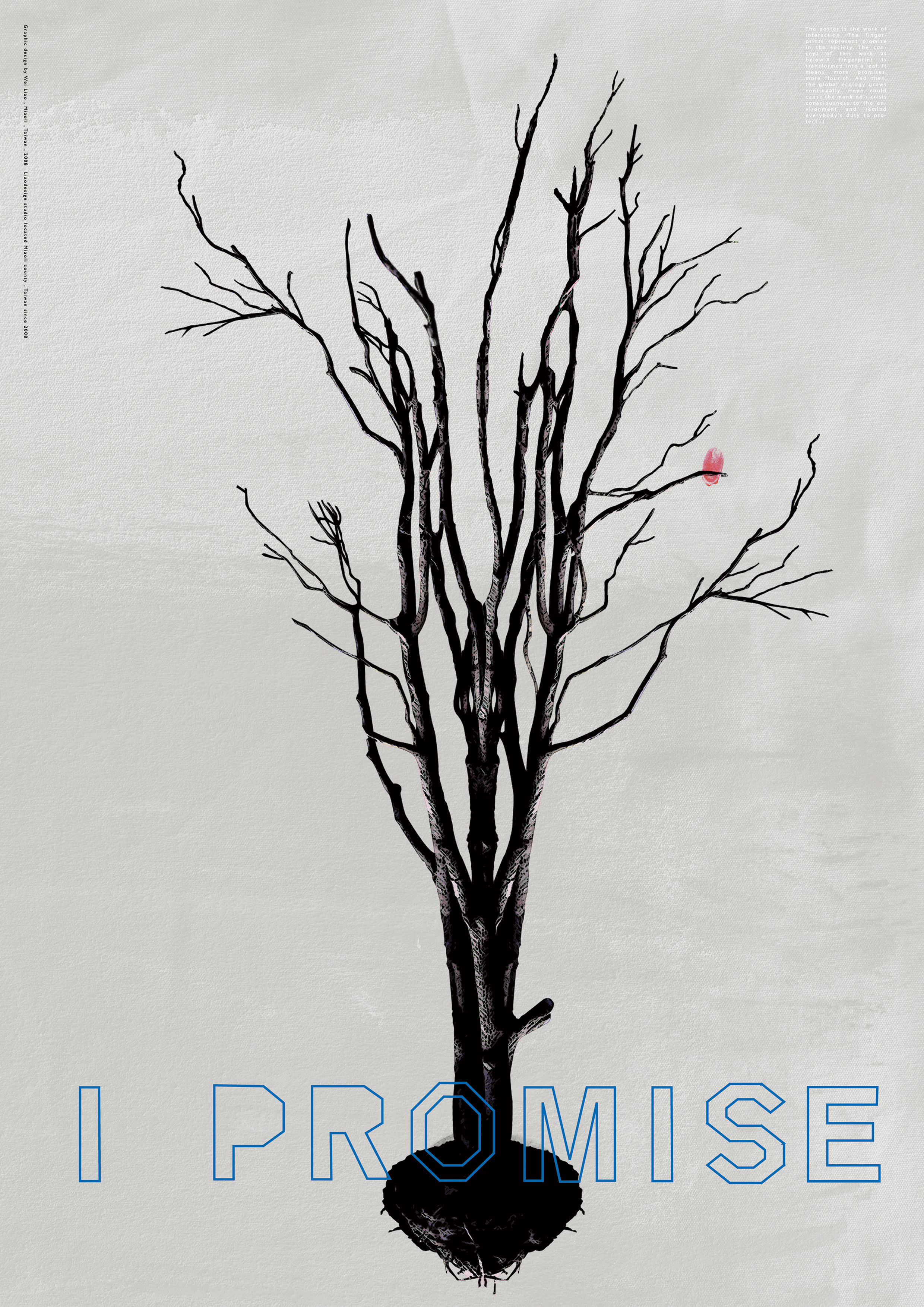
Image: Design – Find different penetration points (I Promise)
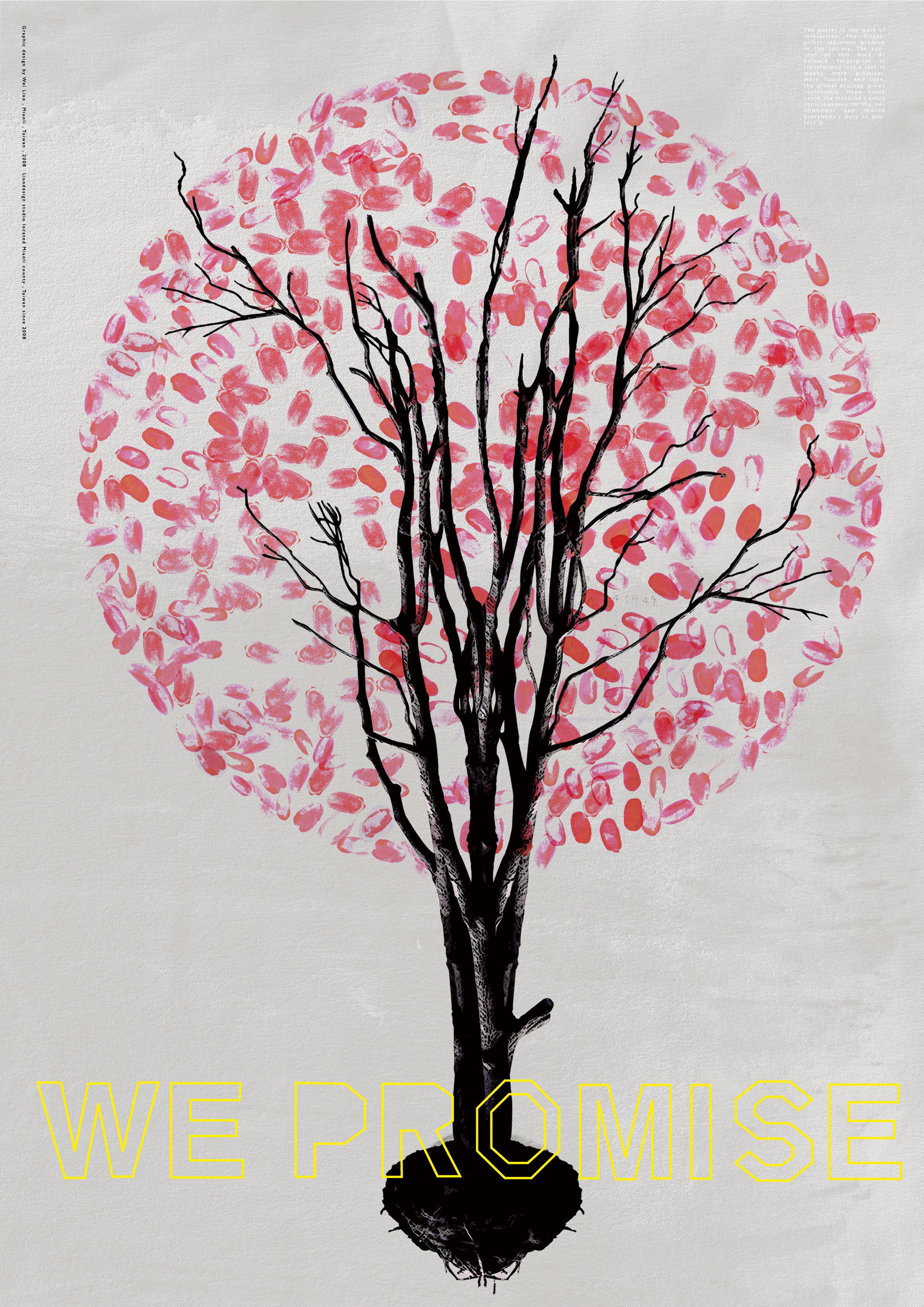
Image: Design – Find different penetration points (We Promise)
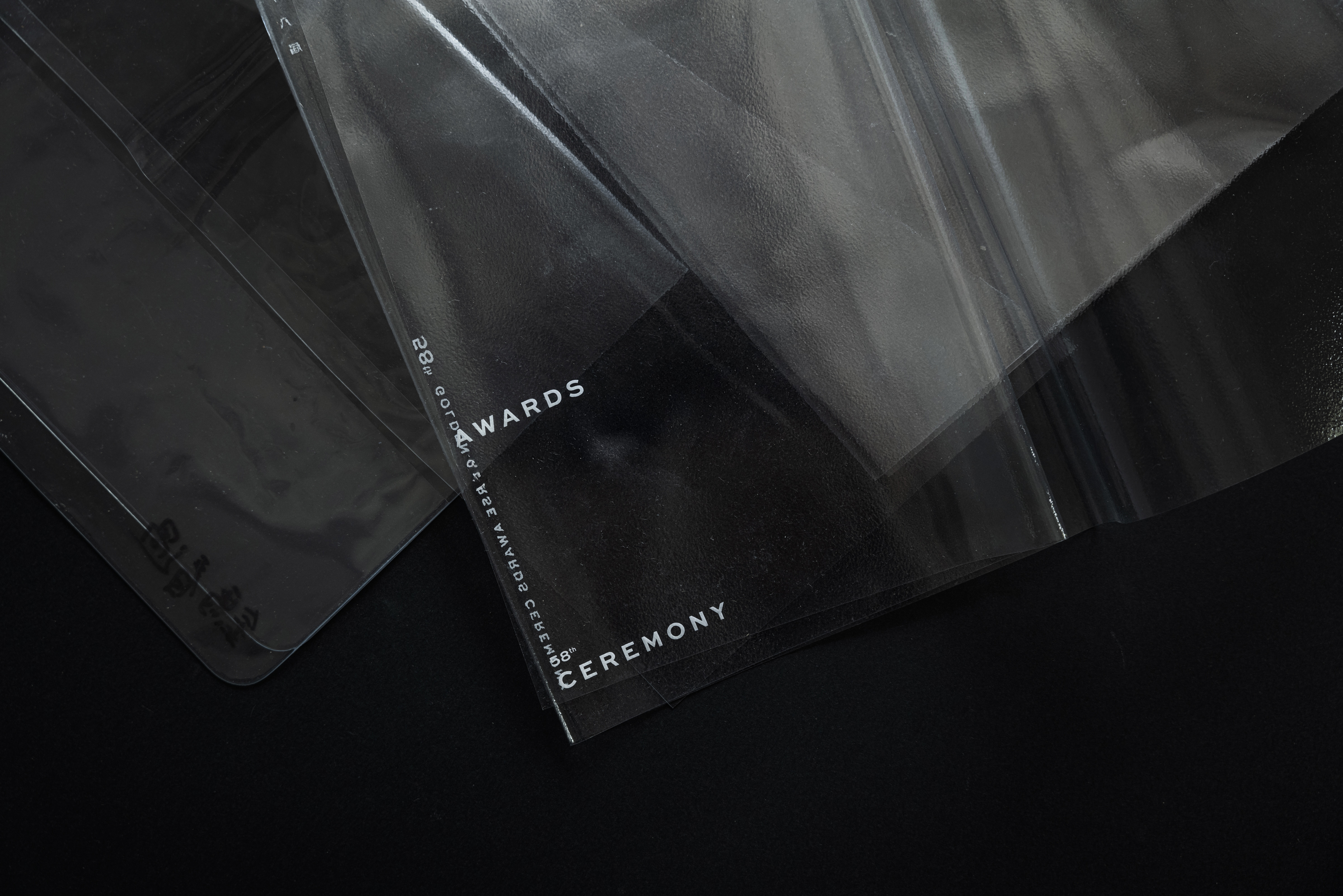
Image: Mixed Media Exploration

Image: Media Integration
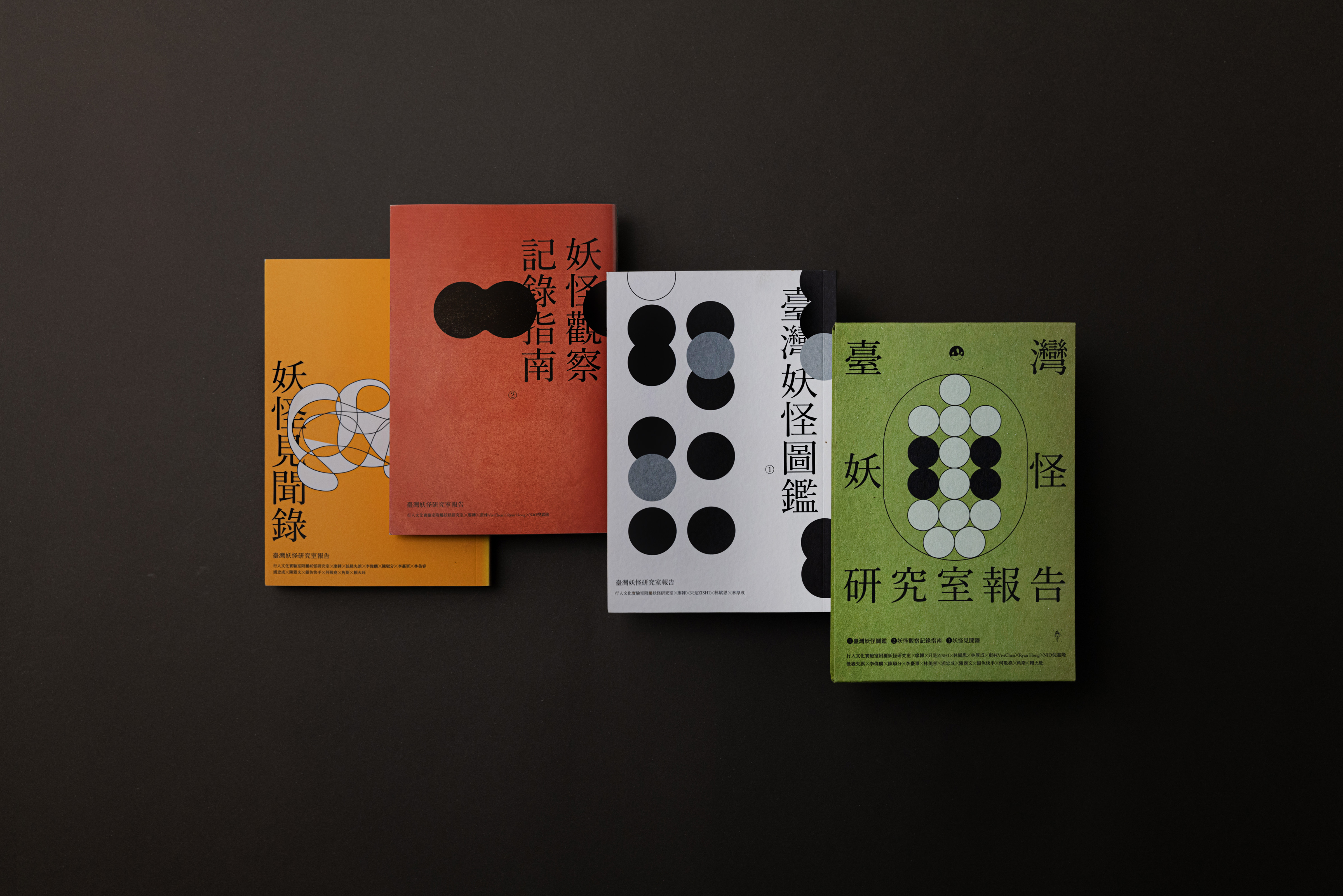
Image: Golden Butterfly Award winning project – Taiwan Monster Research Report (Flâneur Culture Lab)